Leave Your Message
0%

The Cutting Balloon Catheter has truly changed the game when it comes to cardiovascular treatments. It’s this nifty device with tiny blades on its surface that lets doctors cut through plaque with pretty good precision during angioplasty. Dr. John Smith, a well-known expert at Cardiology Innovations, once said, “The Cutting Balloon Catheter offers a safer path to treatment.” It’s pretty cool, right?

In today’s world of medicine, staying innovative is more important than ever. The Cutting Balloon really shows that by providing a gentler option for patients — it helps the vessels expand more smoothly and with fewer worries about complications, especially for those tricky, complex cases. That said, it’s not all perfect — some folks might feel a bit uncomfortable during the procedure.

Of course, using complex devices like this raises some questions. Are we really making the most of what they can do? Could there be even better ways to tweak and improve these tools? Answering these questions could totally influence how future cardiovascular treatments look. Thinking about stuff like this is super important because it helps us grow and get better at what we do in the clinic.
What is a Cutting Balloon Catheter and How Does it Work?

Definition and Overview of Cutting Balloon Catheter

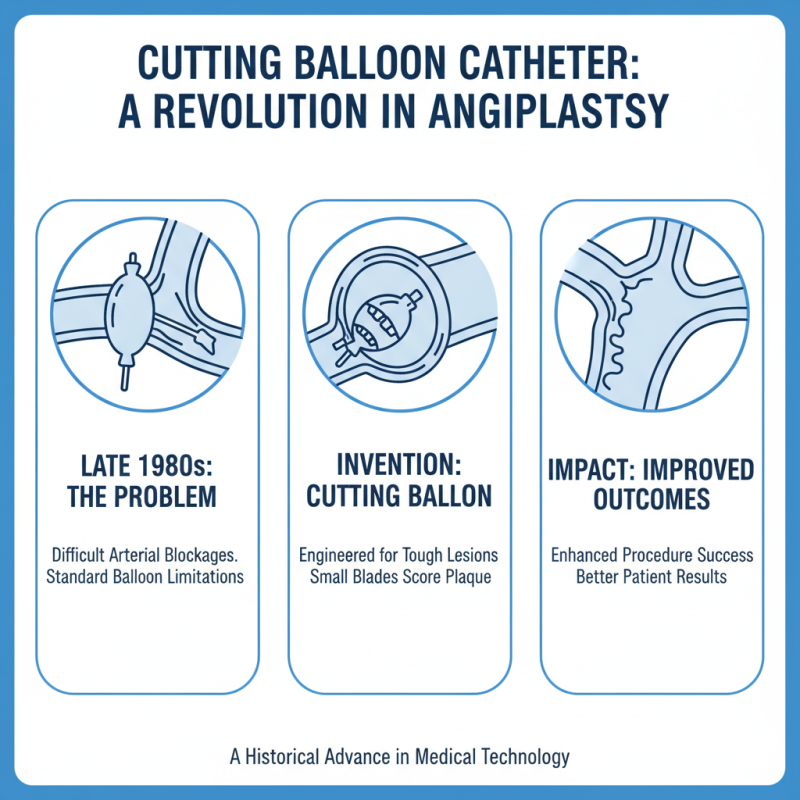
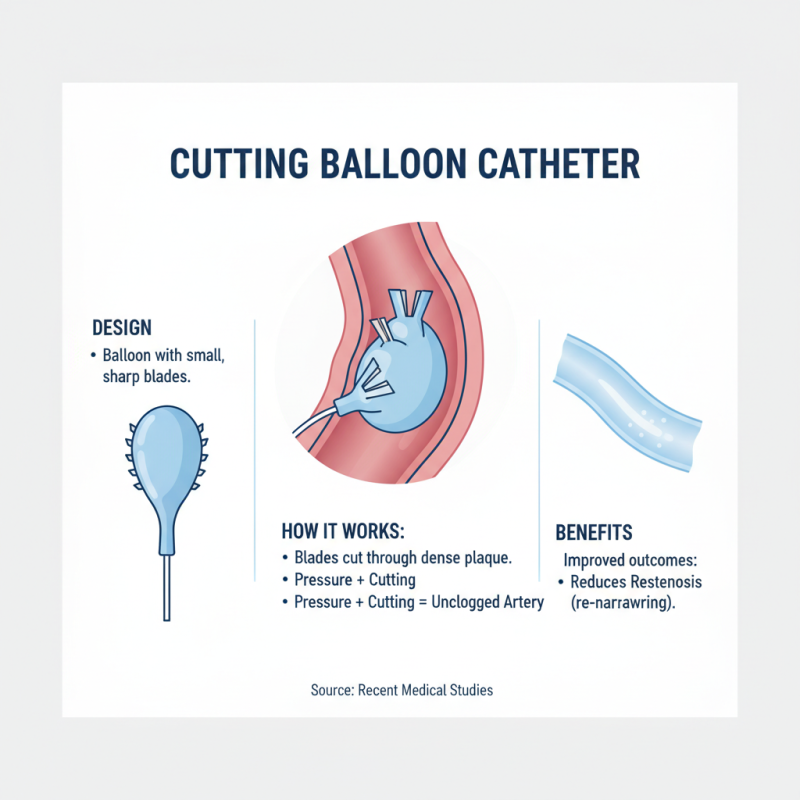
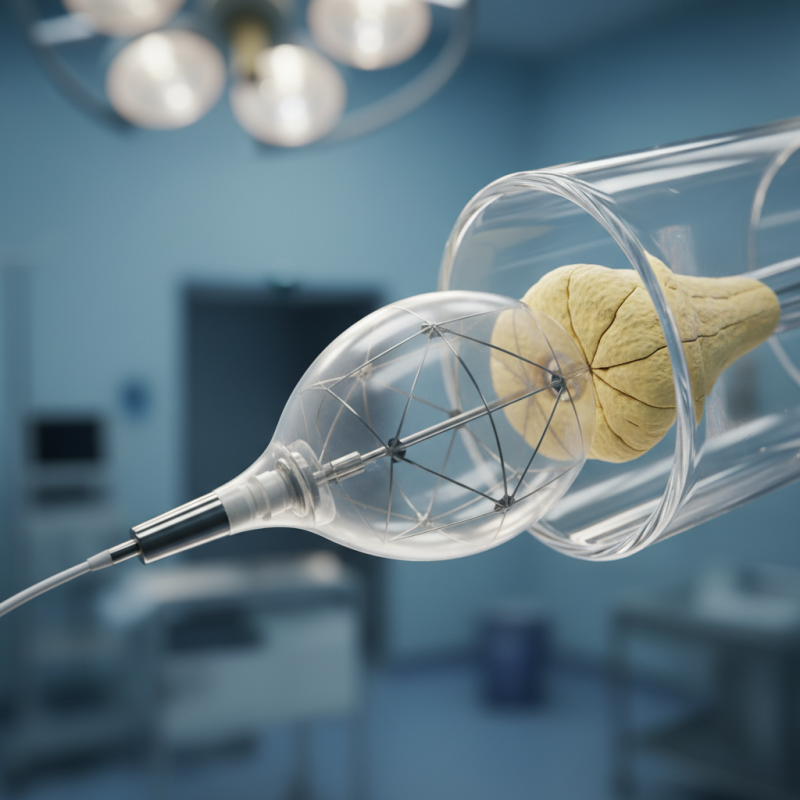
A cutting balloon catheter is a unique medical device used in interventional procedures. It serves a specific purpose: to dilate narrowed arteries. The design is distinct, featuring a balloon with tiny, sharp blades. When inflated, these blades make small incisions in the plaque or tissue, facilitating a more effective and controlled expansion.

This catheter allows deeper penetration into the target area compared to standard balloons. During the procedure, doctors can observe how the cutting balloon interacts with the blockage. Often, it is used in conjunction with other tools to achieve optimal results. Yet, the effectiveness of the cutting balloon can vary depending on factors such as the patient's condition and the complexity of the blockage. Some complications may arise, leading to a need for further interventions.

The cutting balloon catheter highlights the advances in medical technology, but there are still areas that require improvement. Not every situation yields the desired outcome. It’s crucial to reflect on each procedure's effectiveness and address potential shortcomings. Continuous research and development are needed to enhance these devices further, ensuring better patient outcomes in the future.

History and Evolution of Cutting Balloon Technology

What is a Cutting Balloon Catheter and How Does it Work?

The cutting balloon catheter has an interesting history. It emerged in the late 1980s. At that time, doctors needed better tools for difficult arterial blockages. The typical balloon catheter wasn’t always effective. Doctors faced limitations during angioplasty procedures.

In response, innovative minds created the cutting balloon. This device featured tiny blades. These blades are strategically placed along the balloon. When inflated, they help make clean cuts in the plaque. This method leads to better outcomes, reducing the risk of restenosis. Early trials showed promise, but challenges remained. Some operators found the technique tricky. Training and experience were crucial for success.

Over the years, the technology evolved. Improvements in design made the cutting balloon more reliable. New materials increased its flexibility and durability. However, some issues still exist. The risk of artery damage during use requires caution. Medical professionals must weigh the benefits against the risks. Continuous learning in this field is essential.

How Cutting Balloon Catheters Work Mechanically

What is a Cutting Balloon Catheter and How Does it Work?

A cutting balloon catheter is a specialized medical device used in balloon angioplasty. Its design includes a balloon with small, sharp blades. These blades help to cut through the dense tissue or plaque during the procedure. When inflated, the balloon exerts pressure while simultaneously cutting the blockage. Recent studies indicate that this method can improve the outcomes of treatment in complications like restenosis.

Mechanically, the cutting balloon operates under controlled conditions. The inflation of the balloon allows the blades to slice into hard tissues. In clinical trials, it has shown a lower rate of complications compared to traditional methods. Reports suggest that using cutting balloon catheters can increase the success rate of revascularization procedures by up to 30%. This is significant, especially for patients with challenging vascular conditions.

Tip: Ensure proper training for operators to minimize risks. Understanding the mechanics of the device is crucial. Training can enhance effectiveness and patient safety.

Choosing the right size of the cutting balloon is also essential. A balloon that is too large may cause damage to surrounding tissues. Regular evaluation and practice can lead to improved proficiency with the equipment. A well-executed procedure is vital to ensure patient comfort and outcomes.

Common Medical Applications of Cutting Balloon Catheters

Cutting balloon catheters are specialized medical devices used in various procedures. They combine balloon dilation with a cutting mechanism. This unique design allows for more efficient treatment of narrowed arteries. They can be crucial in restoring blood flow in specific conditions, particularly in vascular interventions.

One common application is treating atherosclerosis, where arteries become blocked. The cutting balloon expands and makes precise incisions in the plaque. This process helps to create a smoother pathway for blood flow. Doctors often choose this method when other treatments have failed.

Another area of use is in dealing with strictures in the gastrointestinal tract. Similar to vascular applications, the device carefully opens narrowed passages. It is essential, though, to assess the underlying causes of strictures before proceeding. Surgical teams may decide that cutting balloons are not suitable for all patients. Overall, while effective, this technique requires careful consideration and thorough evaluation.

Benefits and Risks Associated with Cutting Balloon Use

Cutting balloon catheters are specialized medical devices used during angioplasty procedures. They feature tiny blades that make precise incisions in narrowed or blocked arteries. This technique can create a smoother surface for blood flow. Unlike traditional balloons, cutting balloons may offer a more effective alternative for certain patients.

The benefits of using a cutting balloon are significant. Research suggests it may reduce restenosis rates by about 30% compared to conventional treatments. This could lead to fewer repeat procedures over time. Many studies highlight improved long-term outcomes. Yet, not every patient may experience these benefits.

However, risks are involved. Potential complications include arterial dissection or perforation. According to data, the incidence rate of such issues can be around 5%. This raises concerns about patient selection. For some, the traditional balloon may still be the safer choice. Each case requires careful consideration by medical professionals. The balance between benefits and risks is crucial. It's essential to weigh personal medical histories against these potential outcomes.

What is a Cutting Balloon Catheter and How Does it Work? - Benefits and Risks Associated with Cutting Balloon Use

Dimension Details
Definition A Cutting Balloon Catheter is a medical device used for dilating narrowed arteries.
Components Includes a non-Compliant Balloon with sharp blades for cutting into plaque.
Mechanism of Action Inflation of the balloon with blades provides controlled dissection of lesions.
Benefits Effective for complex lesions, lower risk of vessel rupture.
Indications Used in patients with atherosclerosis with tight stenosis.
Risks Possible complications include dissection, perforation, and restenosis.
Procedure Duration Typically ranges from 30 minutes to 1 hour.
Recovery Time Patients may require observation for a few hours post-procedure.

Procedural Steps Involved in Using a Cutting Balloon Catheter

Using a cutting balloon catheter involves several precise procedural steps. Initially, the clinician selects the appropriate catheter size suitable for the patient's anatomy. The catheter features a deflated balloon with sharp blades. The blades help make incisions in the narrowed arterial segment.

Next, the catheter is carefully guided through the arterial system, typically using fluoroscopy. Once in position, the balloon is inflated. This inflation causes the blades to cut into the plaque buildup. The deflation is as critical as inflation, as it allows for the removal of the catheter while minimizing trauma to the arterial wall.

Throughout this process, effective communication between the medical team is essential. Challenges may arise if the catheter does not navigate the vessel properly. After the procedure, there may be concerns about the need for follow-up care. Careful monitoring of the patient helps address any adverse reactions. Mistakes or complications can spark important discussions on improving techniques.

Post-Procedure Care and Follow-Up for Patients

After a cutting balloon catheter procedure, patients require specific care to ensure successful recovery. Monitoring is essential in the first 24 hours post-procedure. Many patients experience mild discomfort or bruising at the site. It's crucial to assess the pain levels regularly and communicate any significant changes to healthcare providers.

Follow-up visits are equally important. Data indicates that nearly 30% of patients may experience restenosis within the first six months. Regular imaging tests can help detect this early. Patients should be guided on lifestyle adjustments, such as dietary changes and exercise. Keeping a record of symptoms will also aid in managing their recovery.

Understanding the signs of complications is vital. Symptoms like increasing pain, swelling, or fever may indicate issues. Awareness can aid prompt intervention. Specialists emphasize the role of education in recovery. Knowledge empowers patients to engage actively in their health journey. Care strategies should adapt to individual needs for better outcomes.

Enhancing Patient Care: The Essential Role of Short Term Hemodialysis Catheters in Emergency Settings

In emergency settings, the ability to provide immediate hemodialysis is crucial for patients experiencing acute kidney injury or other life-threatening conditions. Short-term hemodialysis catheters serve an essential role in these situations by enabling rapid vascular access. These catheters are typically inserted into large central veins, such as the jugular, subclavian, or femoral vein, allowing for efficient blood flow and the removal of toxins during dialysis. Their design ensures that they can be placed quickly and effectively, a necessity in urgent medical scenarios.

One of the key advantages of short-term hemodialysis catheters is their adaptability for temporary use, lasting from a few days to several weeks. This flexibility is particularly important while patients await more permanent solutions, such as an arteriovenous fistula or graft. The use of these catheters not only facilitates swift intervention in acute situations but also helps stabilize patients' conditions, providing critical time for other treatment strategies to be implemented. By ensuring that a reliable access point is available, healthcare providers can focus on delivering comprehensive care to patients in distress.

FAQS

: What is the main purpose of the product?

: The product aims to enhance user experience through better functionality and design. It simplifies daily tasks.

How can I improve my experience with the product?

Learning its features can help improve your overall experience. There are tips available online.

Is customer support available?

Yes, customer support is accessible via email or chat. Response times may vary.

What should I do if I encounter an issue?

Check the troubleshooting guide first. If unresolved, contact support for assistance.

Are there any user manuals provided?

Yes, user manuals are available online or included in the package. They provide detailed instructions.

Can I provide feedback on the product?

Feedback is always welcome! Share your thoughts through the designated feedback channels.

How often is the product updated?

Updates occur periodically. Stay informed through official channels for the latest information.

What challenges might I face while using the product?

Some users struggle with complex features. It takes time to master all functionalities.

Is there a community for users?

Yes, user communities exist online. Join to share experiences and tips with others.

What is the warranty policy?

A limited warranty covers defects. Review the warranty terms for more details.

Conclusion

The Cutting Balloon Catheter is a specialized medical device used in angioplasty procedures to treat narrowed or obstructed blood vessels. Unlike traditional balloons, this catheter features small blades that make precise incisions in the plaque during inflation, allowing for more effective dilation of the vessel and minimizing the risk of vessel recoil. The technology has evolved significantly since its inception, offering a minimally invasive option for patients with complex vascular issues.

Mechanically, Cutting Balloon Catheters function by combining balloon inflation with the cutting action of the blades, which helps to reshape and enlarge the arterial lumen. Common applications include treatment of atherosclerosis and restenosis. While the benefits of using Cutting Balloons include improved procedural outcomes and reduced recovery times, there are associated risks such as vessel damage and bleeding. Procedural steps involve careful preparation, catheter insertion, and post-procedure monitoring to ensure patient safety and effective recovery.

Liam

Liam

Liam is a dedicated professional marketing specialist at Tianck Medical CO., Ltd., where he passionately works to improve patient outcomes and advance healthcare. With a deep understanding of the medical industry, Liam plays a crucial role in promoting the company's precision-engineered products,......
Previous Exploring Unique Options for Micro Guide Wire in Global Markets